ICBEC Socio -Cultural Impact
The SOS CP System developed over 15 years of research and implementation on micro-scale formations has contributed to allowing the...
Read more



Environmental
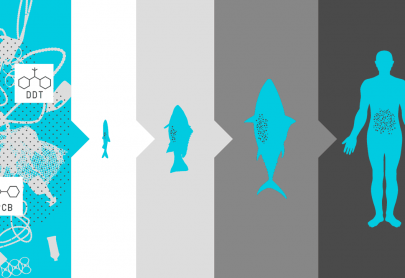
ICBEC governance and CSMA Integration of Coastal Certification is a concrete measure that impacts the ocean in multiple ways, but most significantly in the drastic elimination of the plastic beneath the ocean surface where it does the most damage to marine life and biodiversity. According to research, 70% of the plastic lies beneath the ocean surface and CSMA is oriented towards this problem. The most marine debris-exposed areas are coastal areas with a high density of pollution and tourism destinations. OACM focuses its objective on eliminating all marine debris and plastic within the human hand’s reach, i.e., coastal areas (beaches, ports & harbours, national parks and wildlife marine areas).
Economic
Marine plastic pollution has great economic and societal repercussions. Industries like tourism and fishing as well as communities rely on marine environments for their livelihood. Marine pollution reduces these economic opportunities. Marine ecosystems also have immense cultural significance to communities and plastic pollution poses a threat to the cultural heritage and history we have preserved over time. The transboundary nature of the problem is more significant on islands, as many islands are tourism-dependent. A cleaner ocean is essential to the island communities’ well-being, biodiversity, and livelihoods. Plastics impact fisheries through dumped catch, fouling incidents, net repairs and cleaning, while ghost fishing can generate additional revenue losses. Tourism can be impacted when tourists are no longer willing to visit because of plastic litter on beaches. To avoid this impact, beach clean-up costs need to be incurred. These, and other factors, are costs associated with marine plastic pollution. Integration of CSMAs imposes multiple solutions to the direct elimination of those risks. The use of these environmental resources constitutes a key element in tourism development, by maintaining essential ecological processes and helping to conserve natural heritage and biodiversity. OACM draws its financial sustainability from the tourism industry sector by creating sustainable synergy between governments and the corporate sector at large.